

Cheap Cloud Storage for Small Business Backups in China
If you need reliable, cheap cloud storage for small business backups in China, the choice between cloud and local storage is not just technical—it affects cost, compliance, and how well your teams collaborate across borders. Domestic cloud options from providers like Alibaba Cloud or Tencent Cloud give you compliant, internet-based storage, while local devices such as NAS appliances keep data on-site under your direct control.
Cloud services bring automation, scalability, and off-site protection, but they come with ongoing subscription fees and depend on stable connectivity inside the Great Firewall. Local storage has higher upfront hardware costs yet often lower long-term expenses, faster local access, and fewer bandwidth concerns—but you must handle physical security and backup routines yourself.
This guide compares cloud and local backup options in China, explains the regulatory and connectivity challenges, and shows how IT and operations leaders can combine both approaches to create cheap, resilient small business backups in China.
Key Takeaways
Local cloud providers such as Alibaba Cloud and Tencent Cloud focus on data sovereignty and compliance with Chinese regulations, making them strong candidates for cheap cloud storage for small business backups in China.
Local storage (NAS, backup servers, external arrays) offers fast LAN speeds and complete physical control, but you must manage hardware, backup schedules, and physical security yourself.
Cloud storage provides automated redundancy, off-site protection, encryption, and remote access—ideal for distributed teams and factories working with overseas headquarters.
Upfront costs for local storage are higher (hardware, setup), while cloud storage spreads costs over time using pay-as-you-go pricing and free trial credits, which can be attractive for small business budgets.
Regulations such as CSL, DSL, PIPL, and MLPS 2.0 strongly influence how and where you store data, especially for cross-border backups involving personal or sensitive information.
Connectivity inside the Great Firewall affects backup speeds and reliability; VPN-based workarounds are often unstable, so choosing services that work reliably from China without a VPN is essential.
一个 hybrid approach—combining local storage for fast daily restores with cheap cloud storage for small business backups in China—often gives the best balance of cost, performance, and compliance.
Overview Of Cloud Storage Options In China
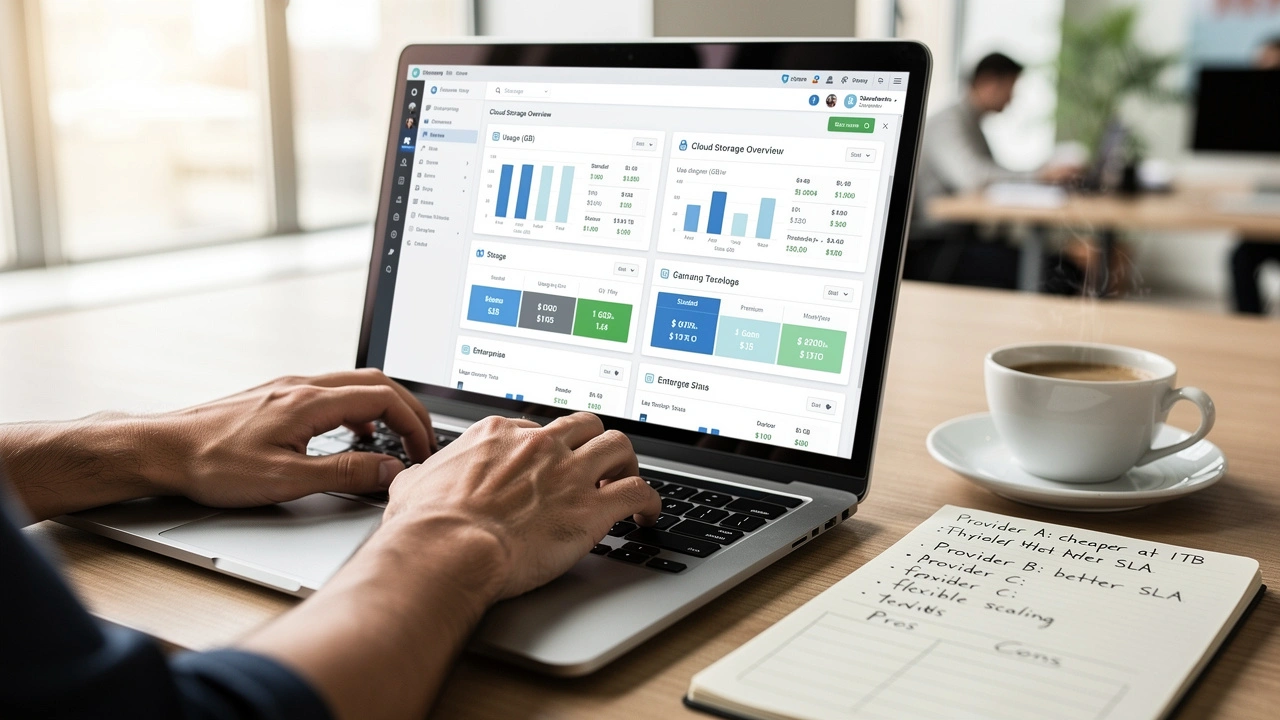
Although cloud storage is widely available worldwide, options inside mainland China have their own constraints and advantages. Most international services small businesses use elsewhere—such as Google Drive, Dropbox, and OneDrive—either do not work or perform poorly through the Great Firewall. That makes them a poor foundation for cheap cloud storage for small business backups in China.
Instead, companies typically pick from:
Domestic hyperscalers: Alibaba Cloud, Tencent Cloud, Huawei Cloud, and Baidu Cloud. They run data centers inside China, understand local regulation, and offer object storage, backup services, and archival (cold) storage at competitive rates.
China-specific deployments of global platforms: For example, AWS China, which runs through licensed local partners with China-hosted regions that are separate from global AWS accounts.
Cross-border file sharing and backup platforms: Enterprise File Sync and Share (EFSS) vendors such as NiHao Cloud or FileCloud are designed to work reliably across the Great Firewall without a VPN, making them useful for HQ–China collaboration and off-site replication.
Local providers emphasize:
Data sovereignty: Keeping data in mainland China to meet localization requirements.
Compliance with Chinese laws: Built-in tools to assist with MLPS 2.0, data classification, and audit logging.
Network performance inside China: High bandwidth and low latency to Chinese factories, offices, and warehouses.
When you evaluate cheap cloud storage for small business backups in China, weigh not only price per gigabyte but also whether the provider can deliver VPN-free access, meets your industry’s compliance expectations, and supports cross-border collaboration if you need it.
Key Features Of Local Storage Options
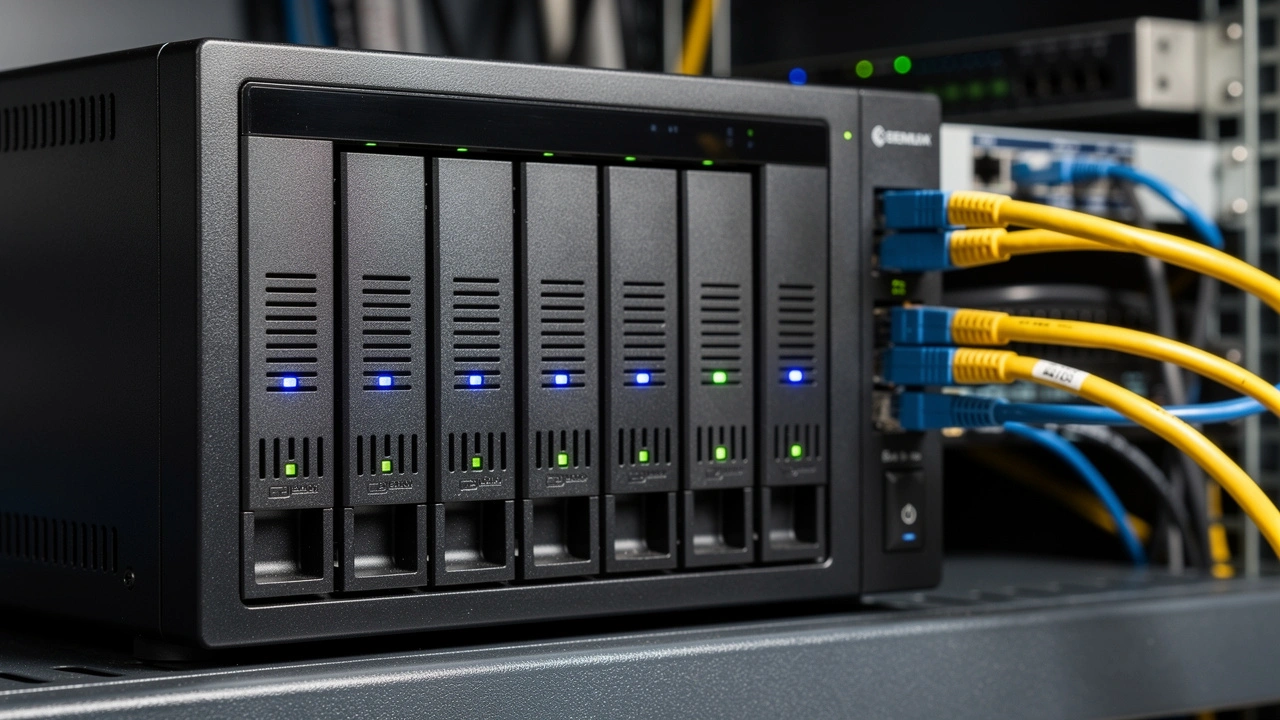

While cloud storage excels at off-site resilience and remote access, local storage options still matter for many small and midsize organizations in China—especially factories, design offices, and branch sites with large files and intermittent internet.
Common local options include:
Network-attached storage (NAS) appliances
Direct-attached storage (DAS) arrays on backup servers
External hard drives used for rotation and off-site copies
Key advantages:
Direct ownership and control
Your data stays on hardware you control inside your office or data room. That helps with sensitive IP, manufacturing drawings, and production data you do not want leaving the site.Instant local access
Backups and restores run across the local network, independent of public internet quality. This is especially important in industrial parks or rural areas where connectivity is inconsistent.High transfer speeds for large files
CAD files, high-resolution images, and production logs can be backed up at line speed over Gigabit or 10 GbE networks—often much faster than uploading them over constrained WAN links.Predictable long-term costs
After the initial investment in hardware, ongoing costs are mainly electricity, occasional disk replacement, and basic maintenance. This appeals to small businesses that prefer capex over recurring opex.
To get the most from local storage in China:
Use RAID or similar methods for disk-level protection.
Set up automated backup jobs from endpoints and servers to the NAS.
Encrypt disks and lock server rooms to handle physical security.
Pair local storage with cheap cloud storage for small business backups in China so you still have an off-site copy if the site is damaged.
“You don’t really have a backup until you have tested a restore.”
— Common saying among system administrators
Security Considerations For Cloud And Local Backup
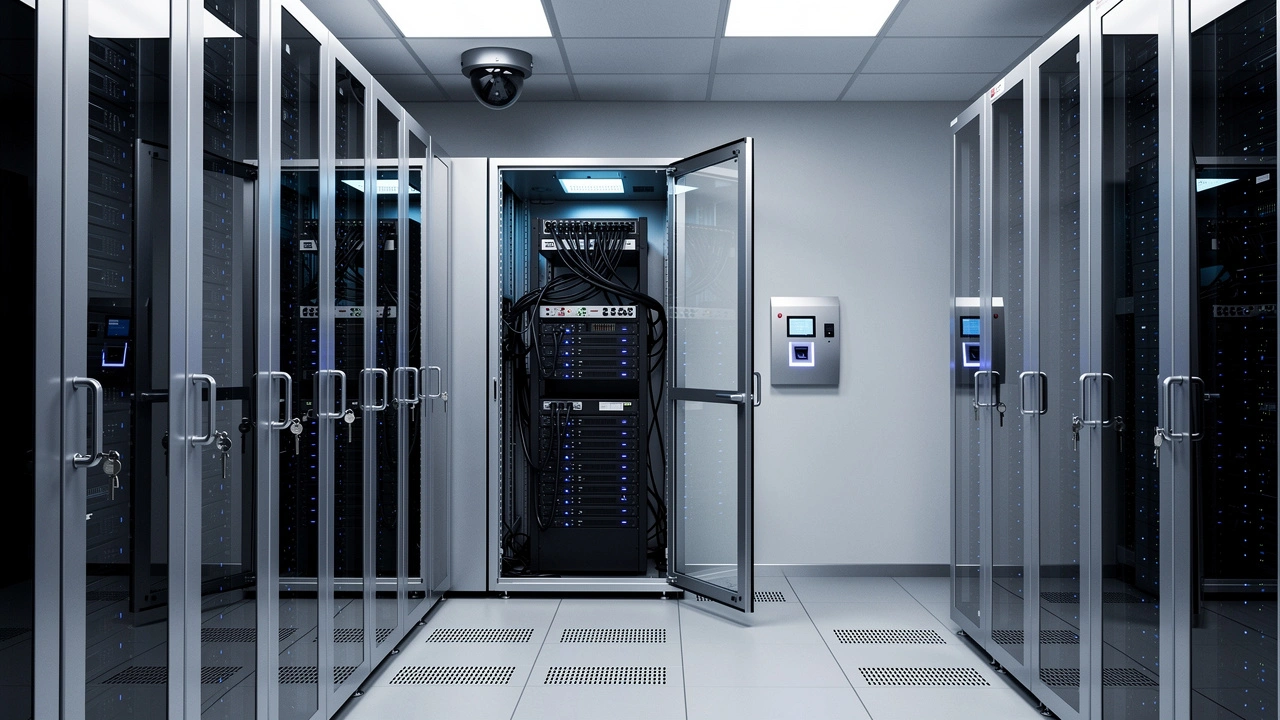
Whether you choose cloud, local, or a hybrid model, backup security is a top priority—especially under China’s regulatory framework and growing ransomware risks.
Key factors to consider:
Encryption
云端: Reputable providers encrypt data in transit (TLS) and at rest (using AES-based algorithms). You may also be able to manage your own keys through Key Management Services (KMS) for extra control.
本地: You choose and configure disk encryption yourself. This increases control but also means you are responsible for key storage, rotation, and recovery.
Access Control
云端: Identity and access management (IAM) systems, role-based access control (RBAC), multifactor authentication (MFA), and integration with SSO (such as Azure AD or LDAP) help reduce account compromise risk.
本地: You need strong Active Directory or LDAP policies, strict admin rights, and protection for physical devices—because anyone who accesses an unencrypted backup disk could potentially read your data.
Data Integrity And Redundancy
云端: Object storage services automatically store multiple copies across availability zones, check file integrity with checksums, and support point-in-time restore using versioning.
本地: You must design redundancy yourself (e.g., RAID plus a second NAS in another room or facility) and regularly test restores to confirm backups are valid.
Ransomware And Threat Protection
云端: Many platforms support object lock, immutable backup snapshots, and automated malware scanning on upload.
本地: Consider backup software with immutable copies, offline rotation of external drives, and strict network segmentation for backup servers.
Regulatory Requirements
For some data categories under CSL, DSL, PIPL, and MLPS 2.0, you may need to prove encryption, access control, and audit logging. Choose backup tools—cloud or local—that provide the logs and reports auditors expect.
A strong backup strategy in China typically includes both local copies (for quick recovery) and cheap cloud storage for small business backups in China (for off-site resilience and ransomware recovery).
Cost Analysis: Cloud Vs Local Storage

Understanding the cost profile of cloud versus local storage is essential, especially when you want to keep backups affordable for a small or midsize operation.
Cloud Storage Costs
For cheap cloud storage for small business backups in China, you will mostly see:
Pay-as-you-go pricing
You pay per GB per month, plus any API operations and bandwidth (egress). This keeps upfront spend low and lets you scale capacity gradually.Tiered storage classes
Standard / hot storage for frequently accessed backup data.
Infrequent access for data you read occasionally.
Cold / archive storage for long-term retention—typically the lowest price per GB with longer retrieval times and early deletion fees.
SMB-friendly benefits
Alibaba Cloud often offers free trial credits and discounted starter packages, making it easier to test cheap cloud storage for small business backups in China.
Tencent Cloud and others provide short-term promotions, coupons, and tiered discounts for prepaid capacity.
No hardware purchase; you pay for what you consume plus any selected support plan.
You should also check:
Data retrieval and egress fees when you restore large volumes.
Cross-region or cross-border transfer fees, if you sync data between China and overseas regions.
Local Storage Costs
Local backup infrastructure has a different profile:
Upfront capex
NAS or backup server hardware
Hard drives or SSDs
Rack space, power, and cooling
Ongoing opex
Replacement drives
Occasional hardware upgrades
IT time for monitoring, patching, and testing restores
For small organizations with stable data volumes, local storage can be cost-effective over three to five years. However, it does not remove the need for an off-site copy; many companies add cheap cloud storage for small business backups in China as a secondary layer for critical data only, keeping cloud costs under control.
Cost-Effective Hybrid Strategy
A practical cost model for SMBs in China often looks like:
Local NAS for daily backups and very fast restores.
Cloud cold storage for monthly or quarterly backup images, critical databases, and core IP.
Tight retention policies so you are not paying to store unnecessary versions.
This approach balances capital spending, monthly cloud fees, and regulatory demands while still delivering strong protection.
“A simple rule of thumb is 3‑2‑1: three copies of data, on two types of media, with one copy off-site.”
— Widely used backup guideline
Overcoming Connectivity Issues: Backup Speeds Inside The Great Firewall

Even the cheapest cloud storage for small business backups in China is useless if backups never complete. The Great Firewall, cross-border throttling, and inconsistent local ISP quality can severely affect backup speeds and reliability.
Key connectivity challenges:
Blocked or degraded foreign services
Western consumer cloud services are often blocked or throttled. Even when accessible, latency and packet loss can cause backup jobs to fail.Unstable VPN performance
Many companies try to reach overseas backup targets via VPN. VPN tunnels inside China can be slow, unpredictable, and subject to disruption, making them a poor basis for daily backups.Rural and industrial park connectivity
Factories and warehouses outside major city centers may have lower bandwidth and higher latency, which slows initial full backups and large restores.
Practical ways to improve backup speeds:
Choose VPN-free friendly providers
Use services that are designed to work from China without a VPN, such as:
Domestic clouds (Alibaba Cloud, Tencent Cloud, Huawei Cloud, Baidu Cloud) with local regions.
Cross-border EFSS platforms architected to function across the Great Firewall using licensed routes and peering.
Place backup targets closer to users
For data that must stay in China, use mainland China regions.
For cross-border collaboration, consider hosting a secondary copy in nearby Asia-Pacific regions like Hong Kong or Singapore, then sync to or from China-based storage.
Use local staging and deduplication
Back up endpoints and servers to a local NAS first.
Run deduplication and compression there, then send a reduced backup set to the cloud. This sharply cuts WAN traffic and cloud costs.
Schedule backups intelligently
Run large jobs during off-peak hours when networks are less congested.
Use bandwidth throttling in backup software so backup traffic does not compete with production applications.
Test and monitor regularly
Measure real upload speeds from each site to the chosen cloud region.
Adjust schedules, concurrency, and target regions until backup windows are predictable.
By aligning connectivity choices with your backup architecture, you can comfortably use cheap cloud storage for small business backups in China without risking failed jobs or missed Recovery Point Objectives (RPOs).
Regulatory And Compliance Requirements For Backups In China
Any backup strategy in China must respect a complex set of data laws. Cloud vs local is not only a technical decision—it is also a compliance decision.
Key regulations that affect backups:
Cybersecurity Law (CSL)
Sets broad requirements for network security and data protection. Certain organizations classified as Critical Information Infrastructure Operators (CIIOs) may face stricter rules.Data Security Law (DSL)
Introduces data classification based on importance to national security and the public interest. Higher levels may require tighter controls on where and how backups are stored and encrypted.Personal Information Protection Law (PIPL)
Comparable to GDPR in scope, it requires explicit consent for processing personal data and imposes rules on cross-border transfers, including when you back up customer or employee data outside China.Multi-Level Protection Scheme 2.0 (MLPS 2.0)
Requires information systems (including many backup and storage systems) to be classified into security levels and protected accordingly. For many SMBs, systems fall into Level 2 or 3, which may require:Documented security policies
Log retention and monitoring
Regular security assessments
Data localization mandates
Certain “important data” and sensitive personal information must be stored in servers located inside mainland China, and sending it overseas can require security assessments or regulator approval.
What this means for backups:
Domestic cloud providers help you store data locally to meet localization rules and MLPS 2.0 expectations.
If you use cross-border or overseas storage, you must:
Classify which data can legally leave China.
Put contractual and technical safeguards in place (encryption, key management, audit logs).
Local storage gives you maximum physical control, but you must still make sure logical security, encryption, and logging match your MLPS 2.0 level.
For cheap cloud storage for small business backups in China, choose services that:
Offer China regions and clear statements on data residency.
Provide access logs, audit trails, and encryption options.
Publish guidance or templates that support CSL, DSL, PIPL, and MLPS 2.0 assessments.
“In God we trust. All others must bring data.”
— W. Edwards Deming
Deployment Models: Local, Cloud, And Hybrid Backup Architectures
You can combine cloud and local options in several architectures to meet performance and compliance needs while keeping costs reasonable.
1. On-Premises Only (Local)
All backups go to NAS or backup servers inside your facility in China.
Suitable for:
Small sites with strict data localization rules and limited budgets.
Workloads with very large files and minimal need for off-site sharing.
Risk: If the site suffers fire, flood, or theft, you may lose all copies unless you rotate drives off-site.
2. Private Cloud On Chinese Providers
You run backup servers or object storage on IaaS platforms like Alibaba Cloud or Tencent Cloud in a China data center.
Pros:
Meets data localization needs with China-hosted infrastructure.
Offers better resilience than a single on-premises site.
This is a common pattern for cheap cloud storage for small business backups in China when you already have some workloads in the cloud.
3. Hybrid Cloud
Local NAS or backup servers handle daily backups and fast restores.
A cloud repository (often cold or infrequent-access storage) receives:
Weekly or monthly full backups
Selected critical datasets (ERP, MES, design archives)
Benefits:
Short Recovery Time Objectives (RTOs) locally.
Off-site protection against disasters and ransomware.
Controlled cloud spend, because you only send important data and use colder storage tiers.
4. Regional And Cross-Border Architectures
Primary backup stored in a China region to maintain compliance.
Secondary copy stored in nearby Asia-Pacific regions (e.g., Hong Kong or Singapore) or on cross-border EFSS platforms for collaboration with HQ.
This architecture suits manufacturers, engineering firms, and exporters that need to share data with teams outside China while staying within regulatory limits.
Comparison Of Major Cloud Providers For SMB Backups
When considering cheap cloud storage for small business backups in China, three common choices are Alibaba Cloud, Tencent Cloud并 SinoServers. Each offers different approaches to cold and object storage pricing that affect backup strategy.
Cold And Object Storage Pricing Models (High-Level)
The table below focuses on pricing models and features rather than exact rates, which change frequently. Always confirm current pricing with each provider.
Provider | Cold Storage Pricing Model* | Object Storage Pricing Model* | SMB-Friendly Notes |
|---|---|---|---|
Alibaba Cloud | Pay-as-you-go per GB/month with lower rates for archive tiers; early deletion fees may apply; discounts for reserved or long-term commitments. | Pay-as-you-go per GB/month plus request and traffic costs; tiered by region and usage volume. | Often provides free trial credits, starter packages, and flexible pay-as-you-go options ideal for cheap cloud storage for small business backups in China. |
Tencent Cloud | Archive and cold tiers priced below standard storage; longer retrieval times; capacity and time-based discounts available. | Standard object storage with tiered pricing per GB/month and API operations; regional variations. | Frequent promotional discounts, coupons, and favorable yuan-based pricing for domestic SMBs. |
SinoServers | Cold storage typically bundled as disk space on dedicated or virtual servers; monthly fees based on allocated capacity. | Object or backup storage often priced as part of server and bandwidth packages; per-GB pricing varies by configuration. | Appeals to SMBs that prefer fixed monthly server packages with predictable storage and bandwidth. |
*Models shown are indicative; check each provider’s official pricing pages for up-to-date rates.
For most small businesses seeking cheap cloud storage for small business backups in China:
Start with object storage standard or infrequent-access tiers for recent backups.
Use archive/cold storage for long-term retention (e.g., year-end images).
Take advantage of free credits 和 promotional discounts to reduce trial and migration costs.
Suitability For Different Business Needs In China
Because business environments in China vary widely, the right backup mix of cloud and local storage depends on your size, industry, and regulatory profile.
Company Size
Micro and small businesses
Often have limited IT staff and budgets.
A small NAS plus cheap cloud storage for small business backups in China (using archive tiers for critical data) can be both affordable and practical.
Midsize enterprises
Usually benefit from a hybrid model: local storage in each site plus centralized cloud repositories on Alibaba Cloud or Tencent Cloud.
Large enterprises and multinationals
May use multiple providers, China-specific regions, and complex hybrid architectures with dedicated connectivity (e.g., leased lines) between China and overseas data centers.
Industry Needs
Manufacturing and engineering
Handle large CAD files and sensitive IP.
Need fast local restores from NAS plus carefully controlled cloud copies, often with detailed logging and DLP features.
Finance, healthcare, and public services
Face stricter MLPS 2.0 and data privacy rules.
Often keep personal data and transaction histories inside China regions with extra controls.
Technology startups and service businesses
Tend to lean more on cloud-native tools, EFSS platforms, and cheap cloud storage for small business backups in China to stay flexible and reduce hardware spend.
Regulatory Compliance
Domestic providers with China data centers help you meet localization requirements.
Local storage offers direct oversight, but you must show regulators that you have:
Adequate physical and logical security
Regular backup and restore testing
Logs and policies aligned with your MLPS 2.0 level
Many organizations end up with a policy-driven hybrid approach: some data never leaves China, some data is backed up only locally, and some is replicated to overseas regions with strong encryption and formal assessments.
Choosing Cheap Cloud Storage For Small Business Backups In China
To narrow down options for cheap cloud storage for small business backups in China, use the following checklist:
Connectivity And Performance
Does the service work reliably from mainland China without a VPN?
Are there China-based regions or Hong Kong/Singapore options that give acceptable latency?
Pricing Transparency
Can you estimate your monthly bill using clear per-GB and per-request rates?
Are there free trial credits, starter packages, or coupons you can use during testing and initial migration?
Does the provider offer cost alerts or dashboards so you can keep backups cheap over time?
Backup-Friendly Features
Support for common backup protocols and tools (S3-compatible APIs, backup software integrations).
Versioning, lifecycle policies, and cold storage tiers to balance cost with restore needs.
Immutable storage or object lock to protect against ransomware.
Compliance Support
Data centers inside mainland China if you store regulated data.
Encryption options, access logs, detailed audit trails, and MLPS 2.0 guidance.
Clear contracts and documentation about data residency and government access requests.
Hybrid Readiness
Ability to sync from local NAS or file servers to cloud buckets.
Support for partial backups (critical systems only) rather than “all or nothing.”
Tools to migrate or replicate data across regions if your footprint grows.
With this checklist and a small proof-of-concept project, you can select cheap cloud storage for small business backups in China that fits your budget while still meeting performance and compliance expectations.
Frequently Asked Questions
How Do Chinese Data Sovereignty Laws And MLPS 2.0 Affect Cloud Providers?
Chinese laws such as the Cybersecurity Law, Data Security Law, and Personal Information Protection Law require that certain categories of data—especially personal and “important” data—be stored on servers inside mainland China. Many cloud providers address this by offering China-specific regions and contracts that confirm local data residency.
MLPS 2.0 adds another layer by classifying your information systems into security levels and requiring appropriate controls, including backups, encryption, logging, and incident response. When you choose a cloud provider for backups, confirm:
Where your backup data is physically stored.
What logging, encryption, and access control features are available.
How the provider supports MLPS 2.0, particularly if your systems are Level 2 or higher.
Do I Need A VPN For Off-Site Sync And Cloud Backups From China?
In most cases, you should not rely on a VPN for routine cloud backups from China. VPN connections can be slow, unstable, and subject to disruption, which can cause backup jobs to fail or exceed their window.
Instead, for cheap cloud storage for small business backups in China:
Use domestic cloud regions (Alibaba Cloud, Tencent Cloud, etc.) that are reachable directly over the public internet.
Consider cross-border platforms designed to work through the Great Firewall without a VPN if you must sync data with overseas locations.
Reserve VPN use for specific admin tasks, not continuous backup traffic.
What Are The Environmental Impacts Of Cloud Vs Local Storage?
Cloud storage concentrates compute and storage in large data centers that can invest in efficient cooling, power management, and renewable energy. However, they still consume significant electricity.
Local storage may use less power overall for a small deployment, but many on-premises server rooms are less energy-efficient. If environmental impact is a priority, you can:
Consolidate multiple small servers into a single efficient NAS.
Choose cloud providers that publish sustainability reports and energy-efficiency metrics.
Use cold storage tiers and lifecycle policies so you are not storing unused data indefinitely.
How Reliable Is Internet Connectivity For Cloud Backups In Rural China?
Connectivity in rural areas and some industrial parks can be inconsistent. Bandwidth may be limited and latency higher, which slows cloud backups and restores.
To handle this:
Use a local NAS as your primary backup target.
Configure incremental backups and deduplication so only changed data is sent to the cloud.
Schedule cloud replication during off-peak hours and test recovery times regularly.
This hybrid design lets you use cheap cloud storage for small business backups in China without depending entirely on rural WAN links.
Can Local Storage Systems Integrate With Existing China-Based Software?
Yes. Modern NAS devices and backup servers integrate well with China-based software stacks:
Support for Windows file sharing (SMB), NFS, and iSCSI for application servers.
Plug-ins and agents for common databases and ERP systems used in Chinese factories and offices.
APIs and webhooks that allow integration with local monitoring and management tools.
When you select local storage, confirm compatibility with your core business systems, then layer cloud backup on top for off-site resilience.
What Disaster Recovery Options Are Specific To China’s Infrastructure?
China offers several disaster recovery options that influence your backup strategy:
Government-backed and carrier data centers in multiple regions, which you can use for secondary or tertiary backup sites.
Domestic cloud regions spread across geographic zones, allowing cross-region replication entirely within China’s borders.
Specialized regional backup and DR services that provide warm or hot standby environments with shorter Recovery Time Objectives.
A layered approach—local backups, cheap cloud storage for small business backups in China, and cross-region replication—gives you stronger protection against both localized incidents and large-scale outages.
What Is MLPS 2.0 And Does It Apply To My SMB Backup Systems?
MLPS 2.0 (the Multi-Level Protection Scheme) is a national framework that classifies information systems into levels based on their importance and the impact of security incidents. Most commercial SMB systems fall into Level 2 or Level 3, which still requires:
Documented backup and recovery procedures
Appropriate encryption and access control for backup data
Logging and monitoring of backup systems
Periodic security assessments
If your business operates websites, internal systems, or cloud services in China, MLPS 2.0 likely applies to your backup environment. Work with your cloud provider and local IT partners to make sure your backup design and operations can pass an MLPS 2.0 review.
总结
Choosing between cloud and local storage for backups in China is not an either-or decision. For most organizations, the most resilient and cost-effective approach combines:
Local storage for fast, frequent backups and quick restores.
Cheap cloud storage for small business backups in China for off-site copies, disaster recovery, and ransomware resilience.
Compliance-aware design that respects Chinese data laws, data localization, and MLPS 2.0 requirements.
Connectivity-aware architecture that avoids unstable VPNs and uses providers and regions that perform well behind the Great Firewall.
By carefully weighing cost, performance, connectivity, and regulation—and by piloting approaches before full roll-out—you can build a backup strategy that protects your data and supports your growth in China without overspending.




 Chinese
  English